Aluminium Roof Lanterns: Stylish Aluminium Glazed Structures for Extensions
The Developing Horizon of Domestic Interior Design: State-of-the-art Contemporary Architectural Lights You Desire to Discover
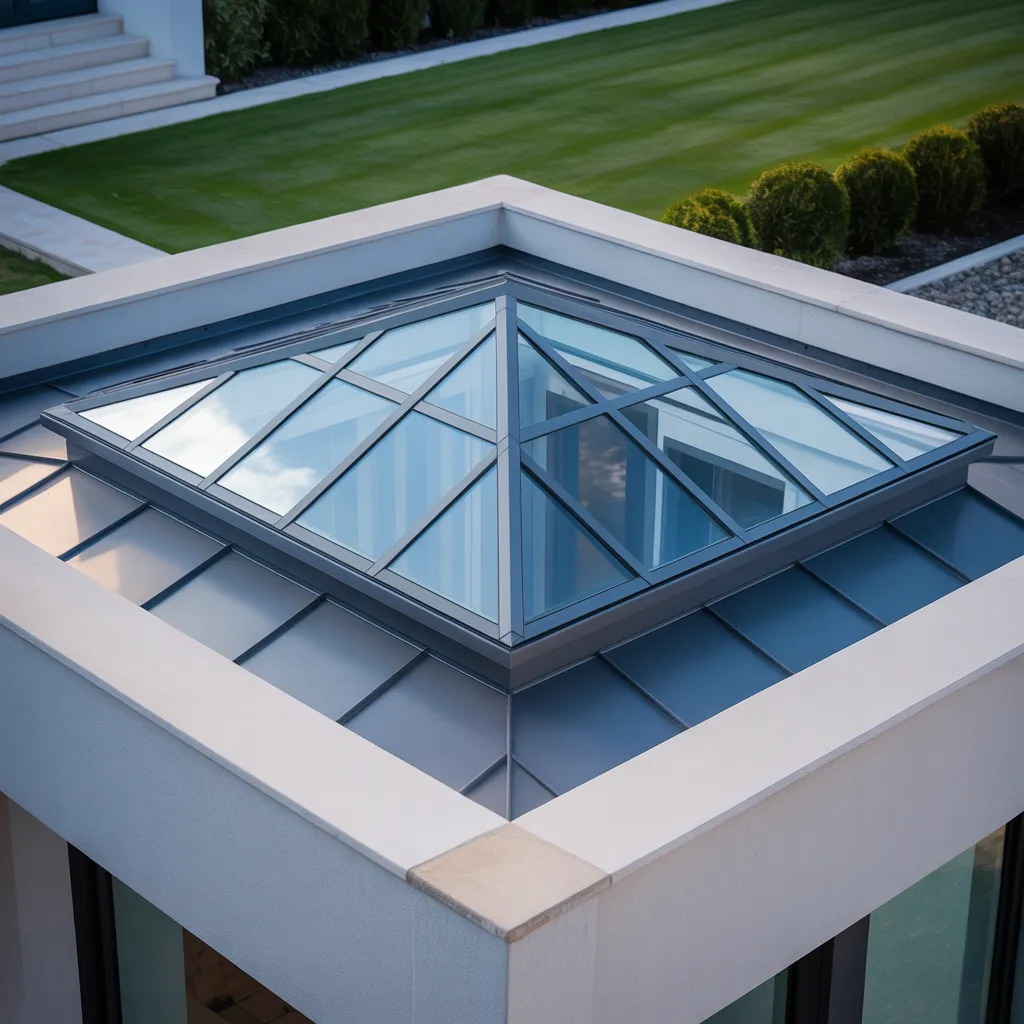
The evolution of home design is steadily shaped by innovative modern roof lanterns. These architectural features enhance natural light and integrate smart technology for improved climate control. As preferences shift, geometric shapes and sustainable materials come to the forefront, suggesting a movement toward wellness-oriented environments. Grasping the varied benefits and implementations of roof lanterns can change how spaces are used. What implications do these breakthroughs have for the homes of tomorrow?
The Positive Aspects of Current Roof Lanterns
Contemporary roof lanterns deliver multiple benefits that boost both the aesthetic quality and practicality of spaces. These design features function as striking centerpieces, enabling natural light to flood living areas, which can create a sense of spaciousness and warmth. By enhancing natural light distribution, roof lanterns reduce reliance on electric lighting, thereby promoting power conservation.
Additionally, they can enhance ventilation when constructed with movable components, leading to a better living space. The utilization of high-quality materials guarantees strength and easy care, making roof lanterns a wise investment.
In beyond their functional advantages, these installations can enhance the overall design of a home, blending seamlessly with various design approaches. By incorporating modern roof lanterns, homeowners can experience the twofold advantages of improved visual appeal and improved energy performance, making them a popular choice in modern architecture.
Beautiful Aesthetic Styles for Roof Lanterns
As homeowners increasingly seek to combine aesthetics with functionality, cutting-edge design movements for roof lanterns are appearing to meet these demands. One prominent trend is the use of angular forms, which adds a contemporary flair to traditional designs. These geometric forms not only enhance aesthetic appeal but also increase daylight penetration. Additionally, nature-inspired design features are becoming increasingly popular, incorporating organic elements like wood and stone to create a smooth transition between indoor and outdoor spaces.
Another emerging pattern is the incorporation practical guide of smart technology, allowing for customizable lighting and temperature regulation, improving both ease of use and energy efficiency. Customizable color options are also becoming trendy, permitting property owners to tailor their lanterns to match particular design styles. Finally, minimalist designs are increasing, emphasizing streamlined forms and minimalism, which connect with contemporary preferences while preserving functionality. Collectively, these movements are redefining how skylight fixtures are viewed and utilized in modern home design.
Selecting the Perfect Roof Lantern for Your Home
In what ways can homeowners identify the ideal roof lantern that matches their unique style and practical needs? To start, they ought to evaluate the design style of their home. A modern lantern may complement a modern space, while a more traditional design could enhance a traditional home. Following that, examining the purpose is important; whether for daylight, ventilation, or aesthetic character, the chosen lantern should address specific requirements.
Size holds an important role. A larger lantern may create a bold focal point, whereas a smaller one might settle seamlessly into the existing structure. Homeowners should assess their local climate, as well, since this can shape material choices and insulation needs. Finally, it's crucial to keep energy efficiency in mind; opting for double-glazed options can enhance insulation while reducing energy costs. By weighing these factors, homeowners can surely choose a roof lantern that enhances both form and function in their living space.
Roof Lanterns with Innovative Materials
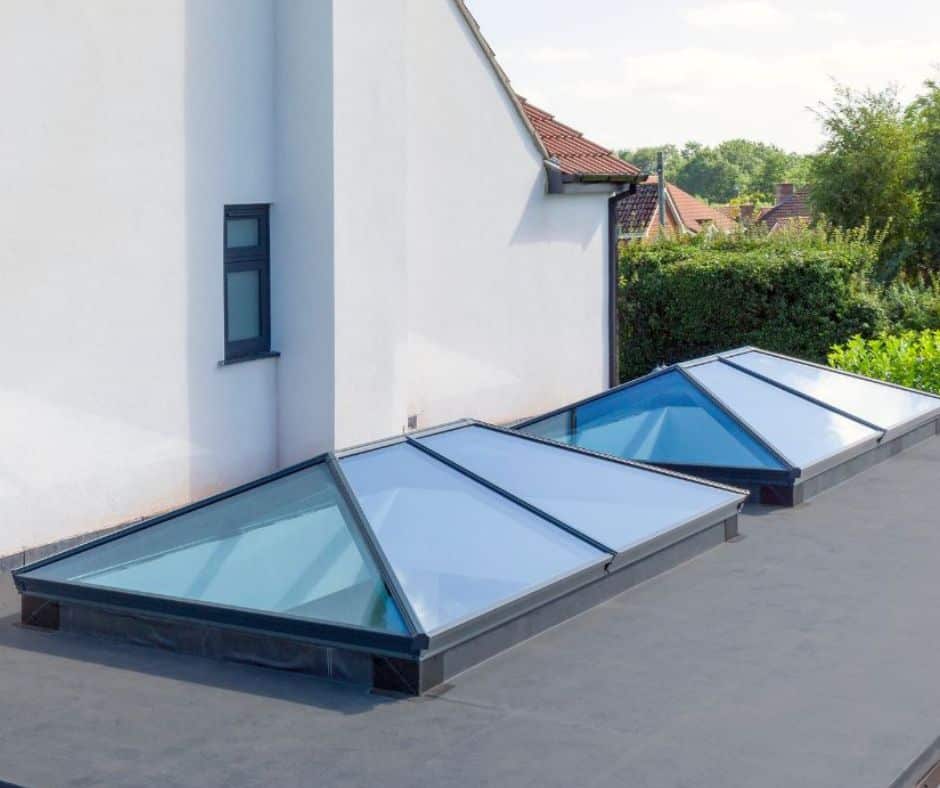
A assortment of innovative materials are transforming the design and functionality of roof lanterns. Modern roof lanterns increasingly utilize materials such as structural glass, which offers enhanced durability and clarity, allowing for maximized natural light. The use of aluminum in frames supplies a compact yet resilient structure, capable of bearing various weather conditions while curtailing maintenance needs. Additionally, polycarbonate panels are building popularity due to their strength and insulation properties, making them a practical choice to traditional glass.
Furthermore, improvements in coatings and finishes, like self-maintaining or sunlight-reflective options, are improving the longevity and performance of these assemblies. These materials not only improve aesthetic appeal but also boost the overall experience for users, making certain that roof lanterns are both functional and fashionable. As these technologies continue to evolve, they are setting new criteria in the discipline of home design, specifically in the use of natural light.
Maximizing Energy Efficiency Via Roof Lanterns
Roof lanterns significantly improve power savings in modern homes by enhancing natural light and reducing reliance upon artificial lighting. By allowing sunlight to permeate living spaces, these design elements lessen the need for electric lighting during the day, producing lower energy consumption. The careful positioning of roof lanterns can enlighten entire rooms, creating radiant, appealing environments without the associated costs of electrical illumination.
Moreover, many contemporary roof lanterns are designed with energy-efficient glazing, which helps maintain indoor temperatures by decreasing heat loss. This feature contributes to overall energy savings, as reduced heating or cooling demands can significantly lower utility bills. Additionally, the enhanced natural light can boost residents' quality of life, fostering a healthier living environment. To conclude, roof lanterns serve not only as visual improvements but also as functional options for energy efficiency in modern home design.
Innovative Solutions for Integrating Roof Lanterns in Your Living Space
Natural light improves energy efficiency but also opens up a world of creative possibilities for home design. Roof lanterns function as striking architectural elements that can transform any space. In living areas, they can create a bright focal point, enhancing the overall ambiance while allowing for an clear view of the sky.
In kitchens, roof lanterns brighten activity areas, making them more inviting for family gatherings and cooking accomplishments. They can also be used in sleeping areas, where they create a serene mood, perfect for relaxation.
Homeowners can incorporate roof lanterns into exterior areas, such as patios or garden rooms, blurring the line between indoor and outdoor living. Additionally, strategically placing roof lanterns above staircases or hallways can bring warmth and dimension to otherwise dark areas. Ultimately, the creative application of roof lanterns can redefine how natural light is utilized in modern homes.
Important Suggestions for Roof Lantern Care
Maintaining roof lanterns is important for preserving their aesthetic appeal and functionality. Regular cleaning is vital; homeowners should use a soft cloth and gentle cleaning solution to remove particles and stains from the glass surfaces. It is advisable to avoid abrasive materials that can scratch the glass. Additionally, inspecting the seals and frames occasionally guarantees that there are no leaks or structural issues. If any damage is found, prompt repairs can prevent further deterioration.
Moreover, removing debris around the lantern from debris, such as leaves or branches, helps maintain proper airflow and drainage. It is beneficial to inspect for signs of wear on any electrical components, including lights or wiring. Finally, regular upkeep, particularly before winter, can protect the roof lantern from severe weather. Following these tips will keep roof lanterns looking beautiful while maximizing their functional benefits.
Typically Posed Questions
How Much Do Modern Roof Lanterns Usually Cost?
Contemporary roof lanterns frequently total between £500 and £2,500, reliant on size, material, and design complexity. Installation outlays could also differ, shaping the final budget for homeowners weighing this architectural refinement.
Do roof lanterns have the ability to be mounted on established roofs?
Yes, roof skylights can be installed on existing roofs, provided the structure can bear the additional weight. Professional assessment is suggested to guarantee proper integration and adherence with local building regulations for optimal performance and safety.
What Is the Optimal Orientation for Roof Lanterns?
The ideal direction for roof lanterns is south-facing, maximizing sunlight exposure throughout the day. This placement enhances natural light, boosts energy efficiency, and establishes a warm, inviting atmosphere within the living space underneath.
Are roof lanterns suitable for every climate type?
Roof lanterns are commonly suitable for diverse climates, though elements such as thermal insulation, air flow, and moisture protection are vital. Correct fitting guarantees they operate efficiently in both hot and cold environments, boosting natural light and aesthetics.
How Do Roof Lanterns Affect the Resale Value of Your Home?
Roof lanterns can constructively affect home resale value by heightening bright light and aesthetic appeal. Their contemporary aesthetic often interests buyers, potentially resulting in higher offers and quicker sales in challenging real estate markets.